
As inflation continues to rise, many Americans are experiencing increased financial strain, leading to shifts in spending habits and economic outlooks.
Inflation and Consumer Confidence
In April 2026, the U.S. inflation rate surged to 3.8% year-over-year, marking the highest level in three years. This increase has been driven by significant price hikes in essentials such as gasoline, groceries, clothing, and electricity. Consequently, consumer confidence has declined, with the Conference Board reporting a drop in its consumer confidence index to 93.1 in May, the first decrease after three months of gains. Similarly, the University of Michigan’s consumer sentiment index fell to a record low of 44.8.
Impact on Spending Habits
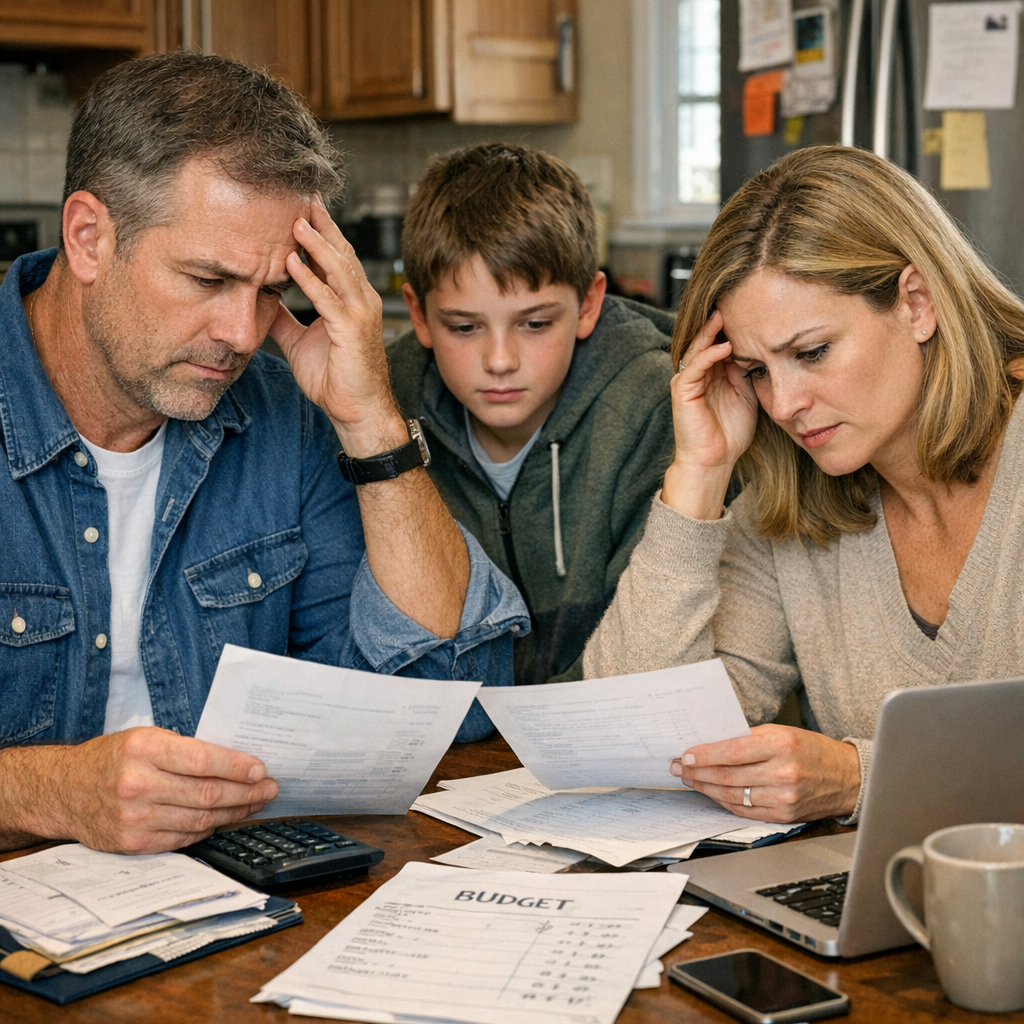
Approximately two-thirds of Americans are reducing their spending, particularly on non-essential items like clothing and hobbies. This trend is largely due to inflation outpacing wage growth, leading to a decrease in real disposable income. While higher-income households remain optimistic and continue to spend, benefiting from rising stock prices, lower-income families are struggling, highlighting a “K-shaped” recovery.
Economic Growth and Policy Implications
The U.S. economy grew at a modest 1.6% annual pace in the first quarter of 2026, supported by resilient consumer spending among upper-income households and ongoing investment in artificial intelligence infrastructure. However, the Federal Reserve, under new Chair Kevin Warsh, faces challenges in addressing persistent inflation. The central bank may hold off on rate cuts or even consider a rate hike to combat rising prices.
Local Perspective
In Edina, Minnesota, residents are feeling the effects of these national economic trends. Local businesses report a decline in discretionary spending, and families are adjusting budgets to accommodate higher costs of living. Community leaders emphasize the importance of supporting local enterprises and staying informed about economic developments to navigate these uncertain times.
As the nation grapples with these economic challenges, staying informed and proactive will be crucial for individuals and communities alike.