
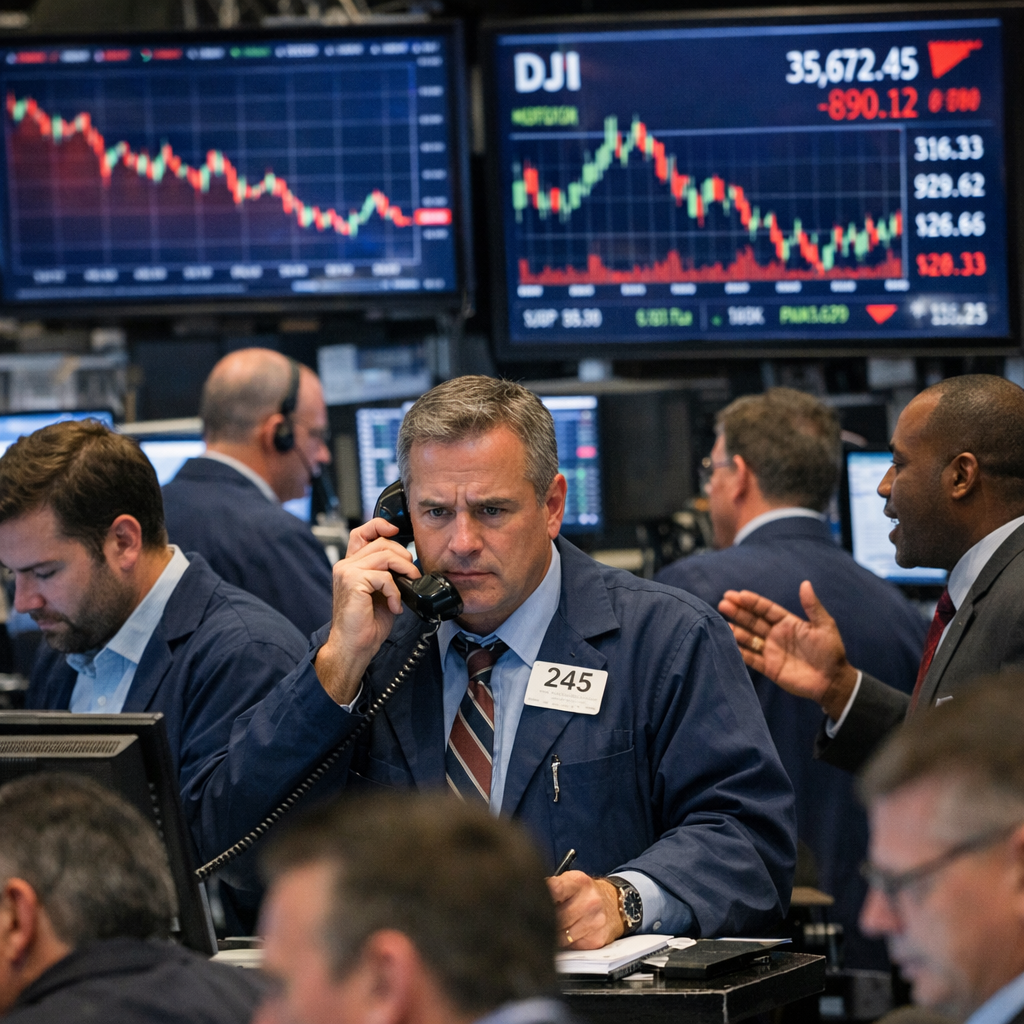
The United States economy is currently experiencing a period of modest growth coupled with rising inflation, leading to concerns about potential stagflation. Recent data indicates that the real Gross Domestic Product (GDP) grew at an annual rate of 1.6% in the first quarter of 2026. While this marks an improvement from late 2025, the growth rate remains moderate.
Inflation has reached a three-year high, with an annual rate of 3.8%. This increase is attributed to factors such as elevated energy costs and the impact of tariffs. The combination of modest GDP growth and rising inflation has raised concerns about stagflation, a scenario characterized by stagnant economic growth and high inflation.
In the labor market, job gains have been dwindling. Over the past three months, net hiring has decreased significantly, with job gains of just 73,000 in July, 14,000 in June, and 19,000 in May. This trend suggests a potential weakening in the job market, which could have broader implications for the economy.
These economic indicators are being closely monitored by policymakers and economists, as they navigate the challenges of sustaining growth while managing inflationary pressures. The Federal Reserve faces the delicate task of balancing interest rates to support economic expansion without exacerbating inflation.